Most Valuable Pennies Worth $989,000: Pennies may seem like the most ordinary coins in circulation, yet they hold extraordinary stories and values. For collectors, the thrill lies in discovering that a small copper coin could be worth thousands or even hundreds of thousands of dollars. The fascination with rare pennies is rooted in history, scarcity, and the excitement of finding hidden treasures in everyday change. The idea that a penny could be valued at $989,000 captures the imagination and highlights the importance of understanding coin collecting.
The History of the Lincoln Penny
Introduced in 1909 to honor President Abraham Lincoln’s centennial birthday, the Lincoln penny became the first American coin to feature a real person. Designed by Victor David Brenner, it carried his initials on the reverse, which later became a point of controversy and rarity. Over the decades, the Lincoln penny has undergone design changes, composition shifts, and minting variations. Each era produced coins that now serve as historical artifacts, some of which are incredibly valuable.

Why Some Pennies Are Worth a Fortune
The value of a penny depends on several factors. Rarity is the most significant, as coins produced in limited numbers or with unique errors are highly prized. Condition plays a crucial role, with coins graded as mint state or proof commanding higher prices. Historical significance adds another layer of value, especially when a coin marks an important national event. Finally, demand among collectors drives the market, creating opportunities for certain pennies to achieve astonishing valuations.
Famous Pennies That Command High Prices
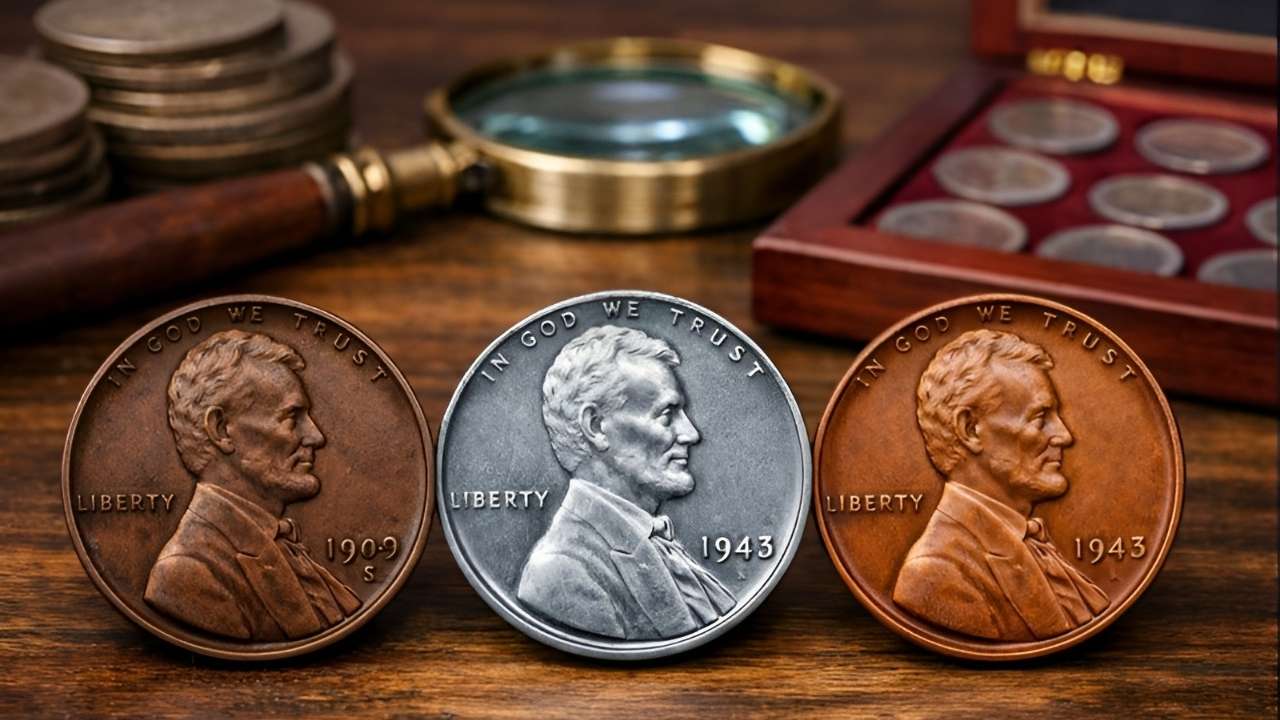
Several pennies have achieved legendary status among collectors. The 1909 S VDB penny is one of the most famous, with its limited mintage making it highly sought after. The 1943 copper penny, accidentally struck during the war years when steel was used instead of copper, is another rarity worth tens of thousands. The 1955 doubled die penny, with its distinctive doubled lettering, remains one of the most iconic error coins in American numismatics. These examples show how rarity and uniqueness can elevate a penny’s value to extraordinary levels.

The Myth and Reality of the $989,000 Penny
Stories of pennies worth nearly a million dollars often circulate among collectors and the public. While some coins have indeed sold for hundreds of thousands, the exact figure of $989,000 is often tied to rare auction results or speculative valuations. Such stories highlight the excitement of coin collecting but also remind enthusiasts to separate myth from reality. Authentic rare pennies can achieve remarkable prices, but not every old coin will be worth a fortune. Verification through professional grading and reputable auction houses is essential.
Mint Marks and Their Importance
Mint marks are small letters on coins that indicate where they were produced. For Lincoln pennies, common mint marks include D for Denver, S for San Francisco, and no mark for Philadelphia. These tiny details can dramatically affect a coin’s value. For example, a penny minted in San Francisco during a low-production year may be worth far more than its Philadelphia counterpart. Collectors pay close attention to mint marks because they reveal scarcity and production history, both of which drive demand.
The Role of Mint Errors
Mint errors are one of the most fascinating aspects of coin collecting. These occur when mistakes happen during the production process, resulting in coins with unusual features. Double strikes, off center prints, or incorrect metal compositions can all create rare coins that collectors prize. If a penny includes such an error, it could explain extraordinary valuations. Error coins are often one of a kind, making them highly desirable in the numismatic community.
Key Dates Every Collector Should Know
Certain years stand out as key dates in the Lincoln penny series. The 1909 S VDB, 1914 D, 1922 no D, 1931 S, 1943 copper, and 1955 doubled die are among the most famous. Each of these coins can command significant value depending on condition. For example, a 1909 S VDB in mint state can sell for thousands, while a circulated version may still be worth hundreds. Understanding these key dates helps collectors prioritize their searches and recognize valuable finds.

The Importance of Condition and Grading
Condition is a critical factor in determining coin value. Coins are graded on a scale from poor to mint state, with higher grades commanding higher prices. A penny that has been well preserved, showing minimal wear and sharp details, is far more valuable than one that has been heavily circulated. Collectors often use magnification to examine details such as lettering, rims, and surfaces. Professional grading services provide certification, giving buyers confidence in the authenticity and quality of a coin.
Collecting Strategies for Enthusiasts
For those interested in building a penny collection, several strategies can be effective. Some collectors aim to acquire one penny from each year and mint mark, creating a comprehensive set. Others focus on key dates or error coins, seeking out the most valuable pieces. Beginners may start by examining their pocket change, while advanced collectors often participate in auctions or coin shows. Regardless of approach, patience and research are essential to success in coin collecting.
The Market for Rare Pennies
The market for rare pennies is dynamic, influenced by demand, rarity, and historical interest. Prices can fluctuate based on trends in collecting and the availability of coins. Online marketplaces, auctions, and coin dealers provide venues for buying and selling. For rare pennies, professional certification is often necessary to achieve top value. The enduring popularity of the Lincoln penny ensures that it remains a staple of the numismatic world, with opportunities for collectors at all levels.
The Psychology of Value
Part of the allure of rare coins lies in the psychology of value. People are drawn to the idea that something ordinary, like a penny, could be worth a fortune. This fascination taps into themes of luck, discovery, and hidden wealth. The story of a penny worth $989,000 resonates because it suggests that extraordinary value can be found in everyday life. For collectors, owning such a coin represents not just financial gain but also a connection to history and culture.
Conclusion
The tale of pennies worth $989,000 reflects the enduring allure of rare coins. Whether fact or myth, it highlights the excitement of coin collecting and the possibility of discovering extraordinary value in everyday objects. Pennies are more than currency; they are pieces of history, culture, and art. For collectors, the pursuit of rare pennies is a journey filled with discovery, passion, and the thrill of owning something truly unique. The most valuable pennies may or may not achieve the legendary valuation attributed to them, but their stories have already secured their place in the imagination of coin enthusiasts worldwide.