Lincoln Penny Value Guide: The Lincoln penny has been a cornerstone of American coinage since its introduction in 1909. Designed to honor President Abraham Lincoln on the centennial of his birth, it became the first circulating coin in the United States to feature a real person. Over the decades, the Lincoln penny has undergone design changes, minting variations, and shifts in composition, all of which contribute to its fascinating history and collectible value. For coin enthusiasts, understanding the nuances of year and mint marks is essential to identifying rare and valuable pieces.
Why Mint Marks Matter
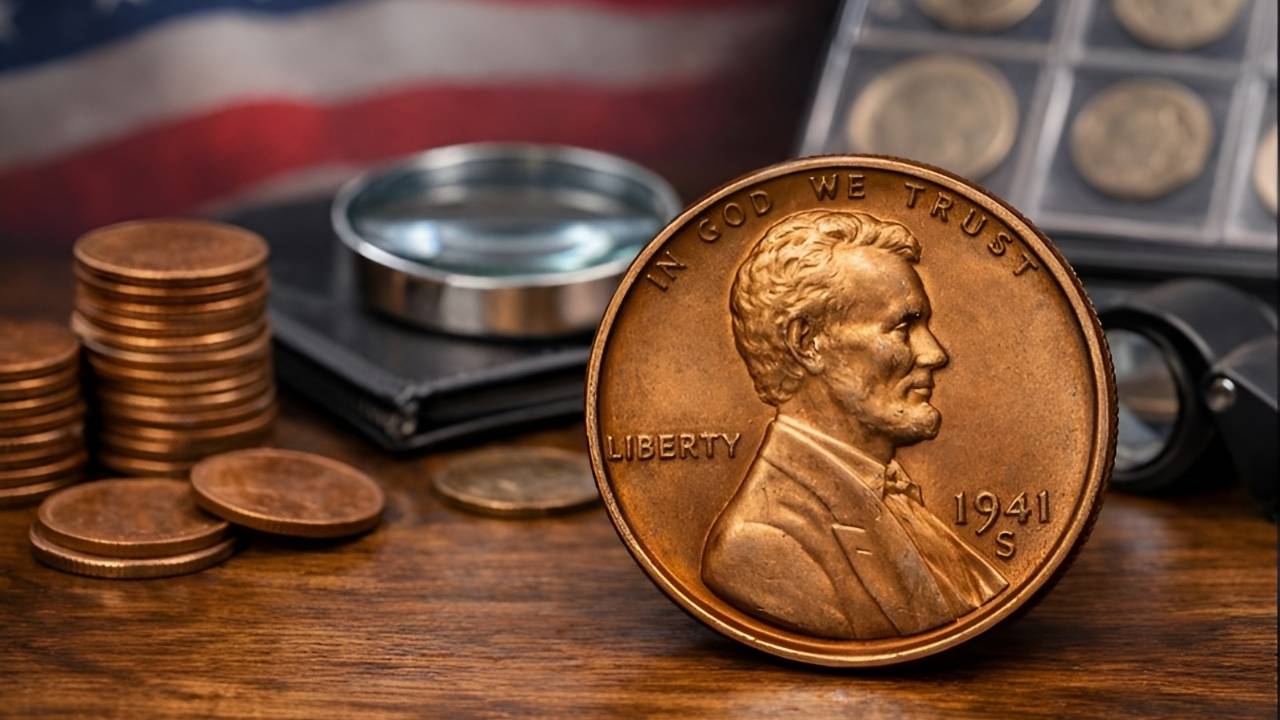
Mint marks are small letters on coins that indicate where they were produced. For Lincoln pennies, common mint marks include D for Denver, S for San Francisco, and no mark for Philadelphia. These tiny details can dramatically affect a coin’s value. For example, a penny minted in San Francisco during a low-production year may be worth far more than its Philadelphia counterpart. Collectors pay close attention to mint marks because they reveal scarcity and production history, both of which drive demand.
Early Years 1909 to 1939
The earliest Lincoln pennies are among the most sought after. The 1909 S VDB penny, featuring designer Victor David Brenner’s initials on the reverse, is one of the most famous rarities. With only a limited number produced, it commands thousands of dollars in top condition. Other early pennies, such as those from the 1914 D mint, are also highly prized. During this era, pennies were made of 95 percent copper, giving them a distinctive look and feel compared to later issues. Collectors often focus on these early years because of their historical significance and scarcity.
Wartime Changes 1940 to 1949
World War II brought significant changes to coinage. In 1943, the United States Mint produced pennies made of steel coated with zinc to conserve copper for the war effort. These steel pennies are instantly recognizable and remain popular among collectors. However, a few copper pennies were accidentally struck in 1943, and these rare errors are worth tens of thousands of dollars. The postwar years saw a return to copper, but minting variations continued to create collectible opportunities.
Mid Century Collectibles 1950 to 1970
The mid twentieth century produced a wide range of Lincoln pennies, many of which are still accessible to collectors today. While most pennies from this era are common, certain mint marks and conditions elevate their value. The 1955 doubled die penny is a legendary error coin, with its doubled lettering on the obverse making it one of the most famous varieties in American numismatics. Collectors also seek out proof coins from the San Francisco mint, which were struck with special care and detail.
The Transition Years 1971 to 1982
During the 1970s and early 1980s, the Lincoln penny underwent important changes. In 1982, the composition shifted from primarily copper to copper plated zinc, a change driven by rising copper prices. This transition year produced both copper and zinc pennies, making 1982 a particularly interesting year for collectors. Identifying whether a penny is copper or zinc requires weighing the coin, as copper pennies are heavier. Mint marks continued to play a role, with Denver and San Francisco issues often commanding higher values in pristine condition.
Modern Issues 1983 to Present
Modern Lincoln pennies may seem ordinary, but certain varieties and minting errors make them collectible. Pennies with doubled dies, off center strikes, or other anomalies can be worth far more than face value. Special commemorative designs, such as the 2009 bicentennial pennies celebrating Lincoln’s life, add variety to modern collections. While most pennies from recent decades are abundant, collectors still enjoy searching for unique pieces that stand out due to rarity or condition.
Key Dates and Values
Some Lincoln pennies are universally recognized as key dates for collectors. The 1909 S VDB, 1914 D, 1922 no D, 1931 S, 1943 copper, and 1955 doubled die are among the most famous. Each of these coins can command significant value depending on condition. For example, a 1909 S VDB in mint state can sell for thousands, while a circulated version may still be worth hundreds. Understanding these key dates helps collectors prioritize their searches and recognize valuable finds.

The Importance of Condition
Condition is a critical factor in determining coin value. Coins are graded on a scale from poor to mint state, with higher grades commanding higher prices. A penny that has been well preserved, showing minimal wear and sharp details, is far more valuable than one that has been heavily circulated. Collectors often use magnification to examine details such as lettering, rims, and surfaces. Professional grading services provide certification, giving buyers confidence in the authenticity and quality of a coin.
Collecting Strategies
For those interested in building a Lincoln penny collection, several strategies can be effective. Some collectors aim to acquire one penny from each year and mint mark, creating a comprehensive set. Others focus on key dates or error coins, seeking out the most valuable pieces. Beginners may start by examining their pocket change, while advanced collectors often participate in auctions or coin shows. Regardless of approach, patience and research are essential to success in coin collecting.
The Market for Lincoln Pennies
The market for Lincoln pennies is dynamic, influenced by demand, rarity, and historical interest. Prices can fluctuate based on trends in collecting and the availability of coins. Online marketplaces, auctions, and coin dealers provide venues for buying and selling. For rare pennies, professional certification is often necessary to achieve top value. The enduring popularity of the Lincoln penny ensures that it remains a staple of the numismatic world, with opportunities for collectors at all levels.
Conclusion
The Lincoln penny is more than just a small piece of currency. It is a symbol of American history, artistry, and tradition. From the rare 1909 S VDB to modern error coins, Lincoln pennies offer endless fascination for collectors. Understanding year and mint marks is the key to unlocking their value, guiding enthusiasts toward rare and significant finds. Whether pursued as a hobby or an investment, collecting Lincoln pennies connects individuals to a rich legacy that continues to inspire generations.